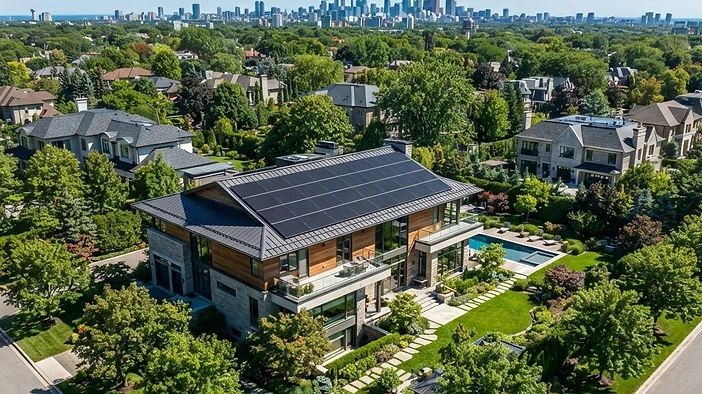
Sizing solar isn't about roof space alone — it's about matching generation to your actual consumption. Here's how we approach it.
Start with your bill, not your roof
The right solar system size is determined by how much energy you use and when you use it — not simply by how many panels fit. A system that's too small leaves savings on the table; one that's too large exports surplus for a low feed-in tariff.
The basic principle
As a rough guide, each kilowatt (kW) of solar panels generates around 4 kWh per day on average across much of Australia. So a 6.6kW system might produce roughly 26 kWh on an average day. Compare that to your daily usage from your bill.
Factor in the future
Think ahead:
- Are you adding a battery soon? A slightly larger system gives you surplus to store.
- Buying an EV? Charging a car can add 10–15 kWh per day of demand.
- Switching to a heat pump hot water or induction cooking? More daytime load.
Orientation and shading matter
North-facing panels maximise total generation. West-facing panels shift generation later into the afternoon, which can pair better with evening use and battery charging. Shading from trees or neighbouring buildings can significantly reduce output.
The takeaway
We size your system around your actual consumption profile and future plans — not a one-size-fits-all rule. That's why a proper assessment matters.