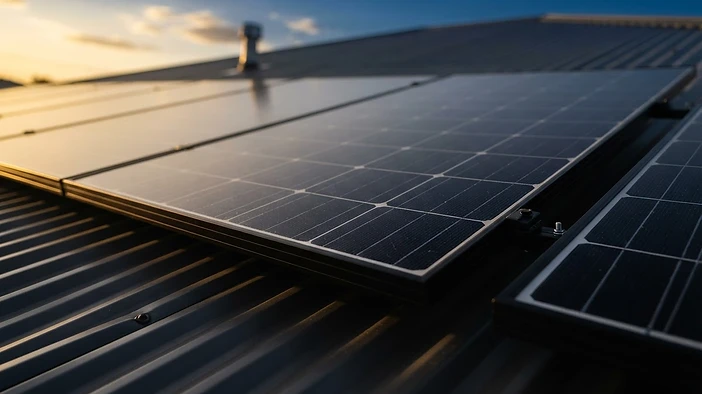
Solar power is one of the cleanest energy sources available to Australian homes and businesses. Here's how switching to solar reduces emissions, conserves water and protects the environment.
Switching to solar power is one of the most effective ways an Australian household or business can reduce its environmental impact. Unlike coal and gas, solar generates electricity from sunlight without burning fuel, and the environmental benefits compound over the 25+ year life of a well-designed system.
If you're weighing up solar for your home or a commercial solar system, understanding the environmental case helps put the financial savings in context.
Reducing greenhouse gas emissions
The biggest environmental benefit of solar power is the dramatic reduction in greenhouse gas emissions. Most of Australia's grid electricity still comes from coal-fired power stations, which release carbon dioxide every time they generate power. A typical residential solar system can offset several tonnes of CO2 each year — the equivalent of planting hundreds of trees or taking a car off the road.
Over a system's 25-year lifespan, that adds up to a meaningful, measurable reduction in your carbon footprint.
Conserving water
Traditional power generation uses enormous volumes of water for cooling. Coal and gas plants draw on rivers, lakes and reservoirs, while nuclear plants are among the most water-intensive. Solar photovoltaic panels, by contrast, generate electricity with virtually no water once installed.
Choosing solar helps ease pressure on Australia's water resources — a growing concern as droughts become more frequent.
Reducing air pollution
Burning fossil fuels doesn't just release carbon — it produces sulphur dioxide, nitrogen oxides and particulate matter that degrade local air quality. Solar power produces none of these pollutants during operation, meaning cleaner air for your community and fewer respiratory health impacts.
Renewable and abundant
Sunlight is a free, inexhaustible resource. Australia has some of the best solar irradiance in the world, making it one of the best-placed countries to benefit from solar generation. Unlike fossil fuels, which must be extracted, transported and burned, solar energy simply falls on your roof every day.
Reducing reliance on fossil fuels
Every kilowatt-hour your solar system generates is a kilowatt-hour you don't draw from the grid. By reducing demand for coal and gas, solar helps accelerate the transition to renewable energy and reduces the environmental damage caused by mining, drilling and transporting fossil fuels.
Long-term sustainability
A quality solar system lasts well over two decades with minimal maintenance. Combined with battery storage, it lets you store clean energy for use at night, further reducing your reliance on the grid and maximising the environmental benefit of every panel on your roof.
The bottom line
Solar power is a clean, renewable and abundant energy source that reduces emissions, saves water and improves air quality — all while cutting your electricity bills. For homes and businesses across Victoria, it's one of the most practical steps toward a more sustainable energy future.
Ready to reduce your environmental footprint and your energy bills? Get a free energy assessment from our in-house team of Clean Energy Council accredited installers.